


In today’s volatile economic landscape, companies are under increasing pressure to improve financial performance. While many focus on revenue growth or cost-cutting, one often-overlooked opportunity lies in balance sheet optimization. According to a BCG report, cleaning up the balance sheet can boost earnings by 5% on average—and up to 10% for some firms.
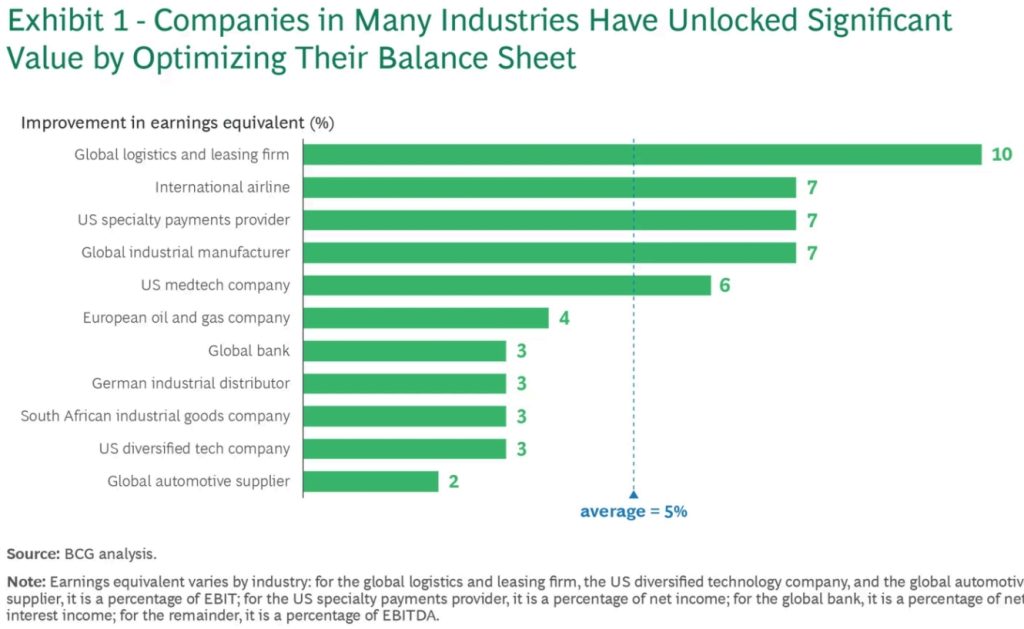
But what’s driving this shift? And how can businesses overcome common challenges to unlock this hidden value?
In this post, we’ll explore:
- The three key factors pushing firms to optimize their balance sheets
- Common roadblocks companies face
- A pragmatic, step-by-step approach to drive improvements
Let’s dive in.
Why Balance Sheet Optimization Matters Now More Than Ever
The balance sheet isn’t just a financial statement—it’s a strategic tool that can fuel growth, reduce risk, and improve profitability. However, three major factors are forcing companies to rethink how they manage it:
1. Surging Costs of Capital
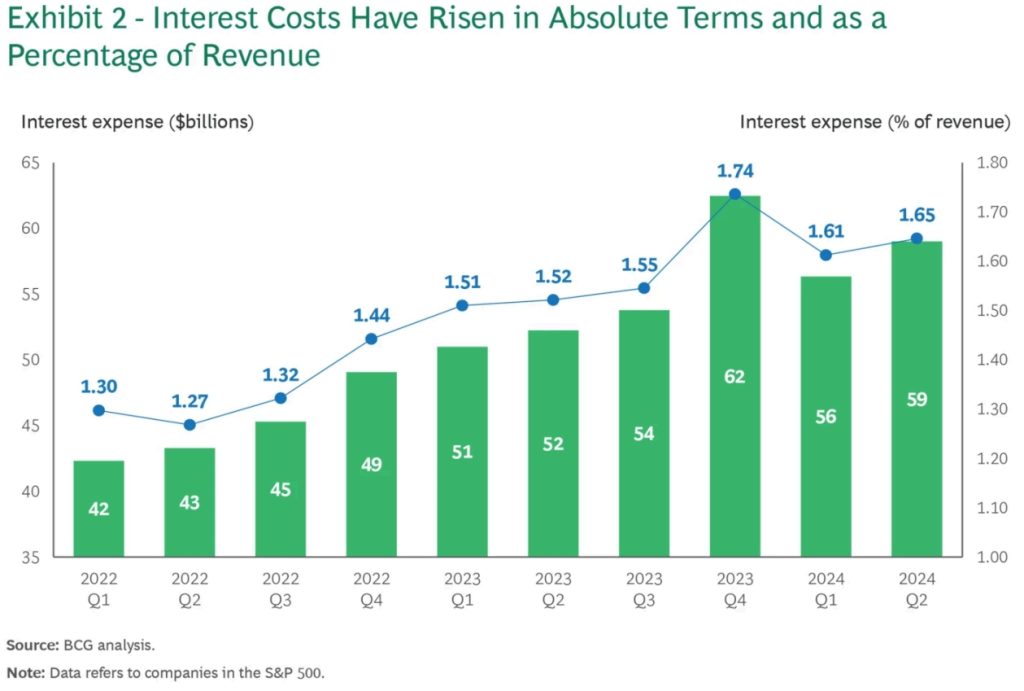
With interest rates at multi-decade highs, the cost of borrowing has skyrocketed. For non-financial S&P 500 firms, interest expenses rose from 1.3% to 1.65% of revenue between 2022 and 2024—adding $15+ billion in extra costs.
Key Takeaway: Companies must lower their cost of funds by optimizing debt structures and improving working capital efficiency.
2. Rising Investment in AI & Technology
Generative AI is reshaping industries, with corporate spending expected to grow at 36% annually over the next five years. Additionally, firms are pursuing AI-driven M&A to stay competitive.
Key Takeaway: A strong balance sheet ensures companies have the liquidity to fund innovation without overleveraging.
3. Lingering Supply Chain & Inventory Challenges
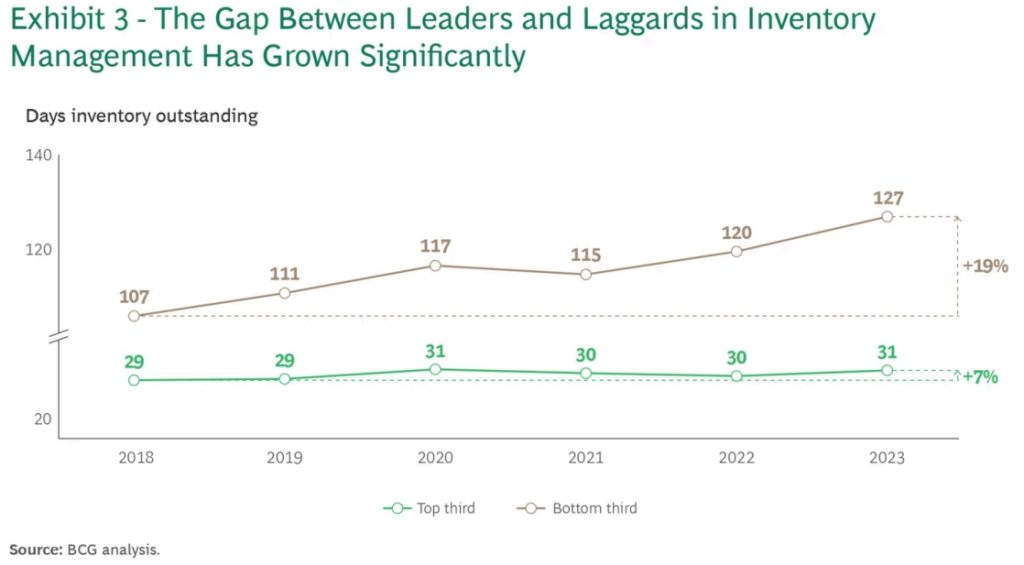
Post-pandemic, many firms still carry excess inventory to hedge against disruptions. BCG’s analysis of 20,000+ companies shows that days inventory outstanding (DIO) remains elevated compared to pre-pandemic levels.
Key Takeaway: Working capital optimization—especially in inventory management—can free up cash trapped in operations.
Common Challenges in Balance Sheet Optimization
Despite the clear benefits, many companies struggle to make progress due to:
1. Governance & Strategy Gaps
- Lack of a clear vision for the “right” balance sheet structure.
- No accountability for balance sheet performance.
- Frontline teams unaware of working capital impact on profitability.
2. Process Inefficiencies
- Siloed efforts (e.g., AP, AR, and treasury teams working in isolation).
- No rigorous tracking of working capital KPIs.
- Misalignment between finance and business unit forecasting.
3. Outdated Tools & Analytics
- Manual processes dominate, leaving teams in “firefighting mode.”
- Lack of real-time dashboards for cash flow visibility.
- Missed opportunities in AI-driven automation (e.g., predictive collections).
A Pragmatic 3-Step Approach to Optimize Your Balance Sheet
Step 1: Start with Working Capital
Quick wins in accounts receivable (AR) and accounts payable (AP) can free up cash fast.
AR Optimization Tactics:
✔ Fix billing delays (even small inefficiencies add up).
✔ Enforce payment terms to reduce collection lags.
✔ Align payment terms with market standards (reduces credit risk).
✔ Factor in cost of capital when negotiating customer terms.
AP Optimization Tactics:
✔ Stop early payments (unless discounts justify it).
✔ Negotiate better vendor terms using cost-of-capital analysis.
✔ Regularly review payment structures for further savings.
Pro Tip: Implement a Working Capital Control Tower—a real-time dashboard that tracks KPIs like:
- Aging receivables
- Early payment discounts
- Actual vs. contractual payment days
Step 2: Define Clear Balance Sheet Principles
Once working capital is under control, set broader balance sheet goals, including:
- Target leverage ratio & credit rating
- Optimal funding mix (debt vs. equity diversification)
- Cash deployment strategy (hold vs. return to shareholders)
- Risk appetite (how much liquidity buffer is needed?)
Step 3: Establish Ownership & Accountability
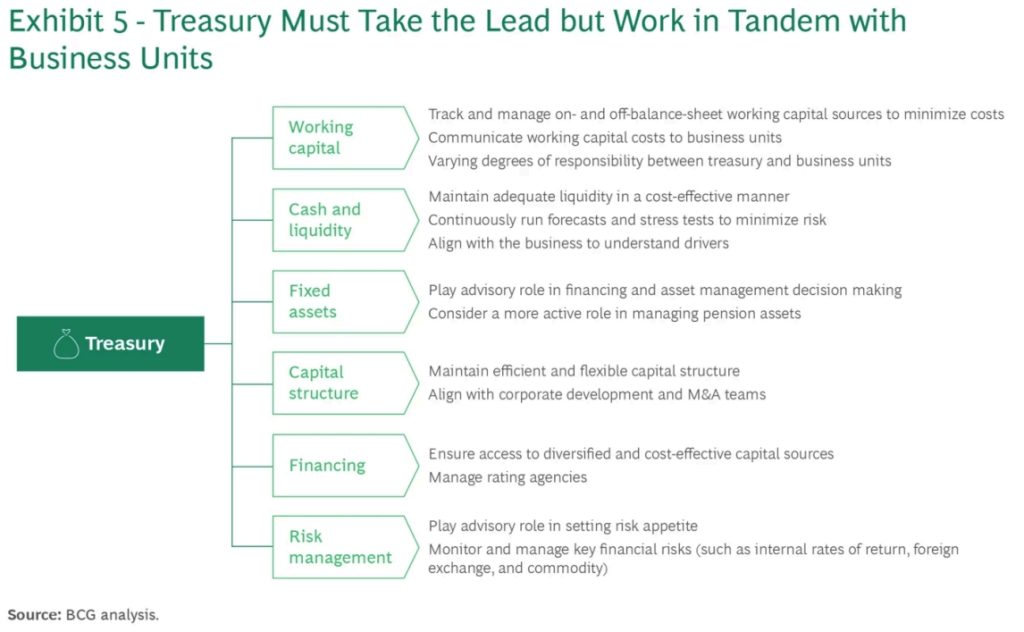
Treasury teams should lead, but success requires cross-functional alignment.
- Finance & business units must collaborate on working capital KPIs.
- Sales teams should be incentivized to consider cost of capital in deals.
- Leadership must stay involved—balance sheet decisions are too critical to delegate entirely.
Key Success Factors for Long-Term Balance Sheet Health
- Executive Involvement – C-suite must regularly review balance sheet metrics.
- Company-Wide Alignment – Every team should understand their impact on working capital.
- Automation & AI – Reduce manual work with predictive analytics and AI-driven tools.
Conclusion: A Strong Balance Sheet Is a Competitive Advantage
Optimizing the balance sheet isn’t just about cutting costs—it’s about unlocking trapped cash to fund growth, innovation, and resilience. Companies that take a structured, data-driven approach can achieve 5-10% earnings improvements, turning their balance sheet into a strategic asset.
Links for More
Download and read full report on BCG’s website or NeoForm LinkedIn page.
Looking for more insights on financial transformation and optimization? Check NeoForm Blog insights.
Ready to transform your balance sheet? Contact NeoForm’s financial experts today for a tailored strategy.
1 Comment
Cost Transformation 2025: Beyond Cutting to Strategic Reinvention - NeoForm Business Partners
[…] Balance Sheet Optimization to Unlock Hidden Profit Trapped in […]
Comments are closed.